The 5th and 6th Dukes of Buccleuch were instrumental in the development of the Labrador retriever breed in the UK and the stud book of the 6th Duke is well known in Labrador breeding circles.
Although the dogs came from Newfoundland, they became known as Labradors, partly to distinguish them from a larger Newfoundland breed. They were descended from the St John’s water dog (also called the lesser Newfoundland) and were adept in water, having webbed toes. They were used by fishermen to retrieve nets and lines and to pull fish carts.
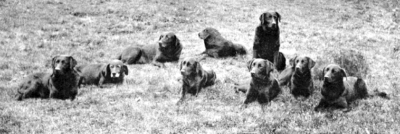
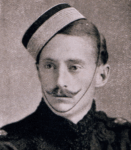
The Buccleuch breeding programme was supervised by the 6th Duke’s youngest son, Lord George Scott, a soldier and cricketer, and the training was undertaken by gamekeepers. The Langholm training methods were distinctive, focussing the dogs on doing what humans could not do, i.e. finding fallen game in dense vegetation by the use of smell, not sight. They were known for their speed and discipline.
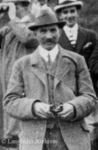
Langholm Moor was one of the best grouse moors in the UK in its time and is said to have been Winston Churchill’s favourite. The head gamekeeper in the mid-1910s was Andrew Smith, described by Princess Alice, daughter of the 7th Duke of Buccleuch, as ‘a well-respected figure in the neighbourhood and lifelong friend of many of the guests who came to stay over the years. His wife was a wonderful cook and many were the wonderful tea-parties we enjoyed in their cottage.’1
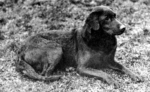
Captain, Andrew Smith’s favourite dog, c. 1910
BBC sports commentator Andrew Cotter is well known for his labrador videos and books. His grandfather James was minister of Langholm parish church from 1943 to 1960, and a Langholm Rugby Club coach, having been an international rugby player in 1934.
1 Princess Alice, Memories of Ninety Years (1991), p.55
< Langholm Moor … Buccleuch farms >